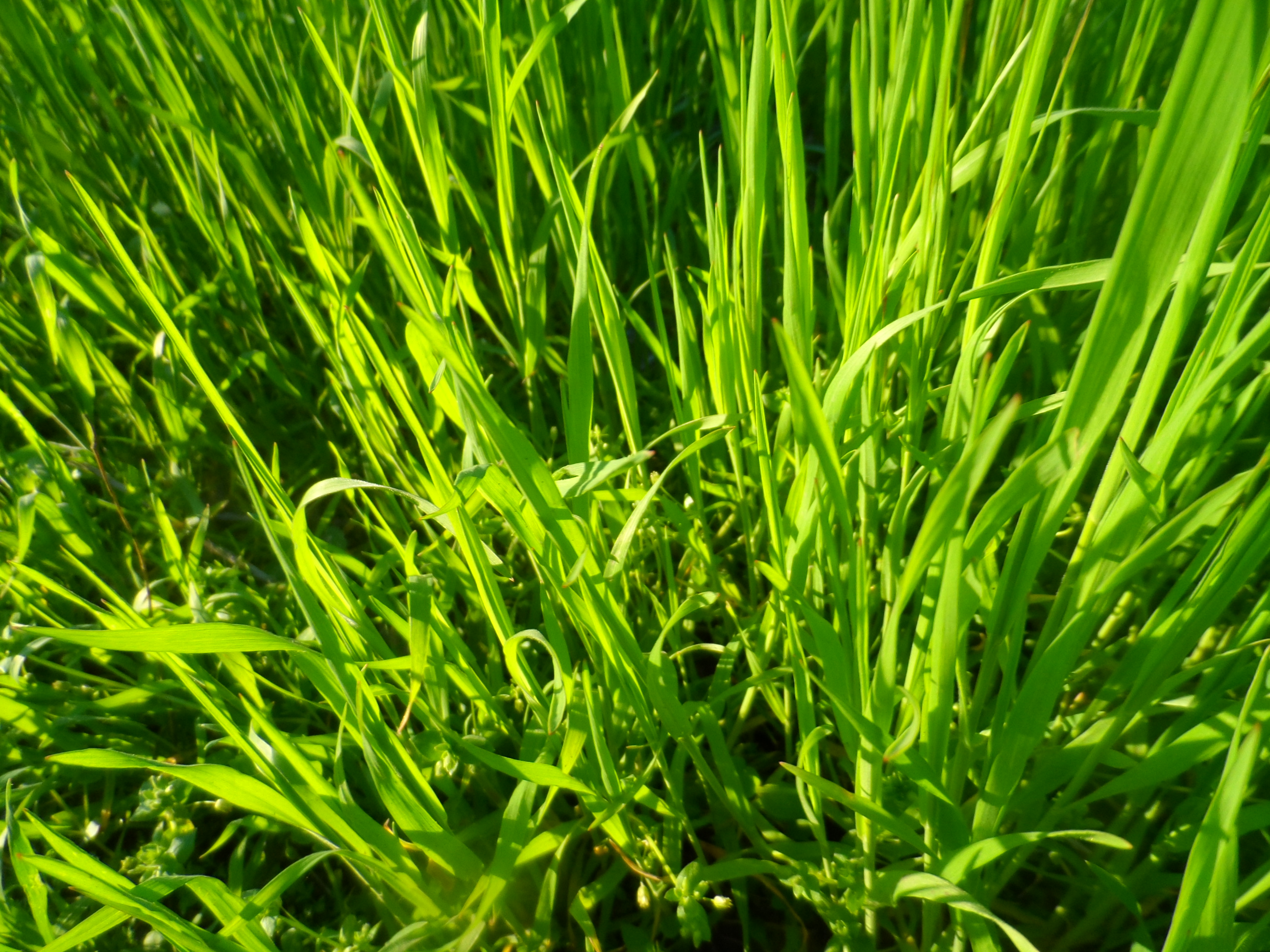
The Science Behind Lawn Care: How to Achieve a Healthier Yard Feb 16, 2026
When it comes to lawn care, understanding the foundational elements is crucial. Grasping the science behind grass growth can make a significant difference in your approach. Grass, like any other plant, requires specific nutrients to grow. The primary nutrients essential to a healthy lawn are nitrogen, phosphorus, and potassium. These elements can be found in commercial fertilizers, which should be applied at the right time and in the correct amounts. Over-fertilizing can actually harm your soil and your grass, so having a schedule and proper measurements is key.
Soil quality is another critical aspect of maintaining a vibrant lawn. Conducting a soil test can provide valuable insights into pH levels and nutrient content. Healthy soil will have a pH between 6 and 7. If your soil's pH is outside this range, you may need to amend it. Adding lime can raise the pH, while sulfur can reduce it. Keeping tabs on these levels ensures that your grass can effectively absorb nutrients.
Watering practices are equally significant in fostering a healthy lawn. Many homeowners make the mistake of watering too frequently and not deeply enough. To cultivate deep roots, it's essential to water less often but for a longer period of time, generally amounting to about an inch of water each week. Early morning is the best time to water because it allows for maximum absorption and reduces evaporation and fungal diseases.
Mowing is more than just aesthetics; it's an art form that plays a crucial role in lawn health. Cutting grass too short can stress the plant and make it susceptible to drought and diseases. Ideally, you should only remove one-third of the grass blade height in one mowing. This technique helps maintain the grass's health and vigor.
A robust lawn also means being proactive in weed control. Weeds compete for nutrients and water, so regular lawn maintenance tasks such as mowing, fertilizing, and watering help prevent their growth. There are pre-emergent herbicides that can be applied to control unwanted plants without harming your lawn. It’s essential to follow the manufacturer's instructions carefully to avoid any potential damage.
Insects and diseases are other factors that can sabotage your beautiful lawn. Keeping an eye out for signs of infestation or disease can help you take swift action. If you notice brown patches, weeds creeping in, or any unusual symptoms, it might be time to consult with lawn care professionals, like those at Phillips Lawn Services, to diagnose and address the issues.
Achieving a healthy lawn is all about understanding the science that underpins grass growth and maintenance. By paying attention to soil health, water management, mowing practices, and pest control, you can transform your yard into the gorgeous landscape you’ve always wanted. Phillips Lawn Services is here to support and guide you through every step of the process, ensuring your lawn is not only a joy to look at but also a sustainable and environmentally friendly green space.
/filters:no_upscale()/filters:format(webp)/media/c027e6b2-944c-4141-ab5e-aa1a21499f48.png)
/filters:no_upscale()/filters:format(webp)/media/1bdefce8-89ec-45fe-bc3a-4153abb490e9.png)