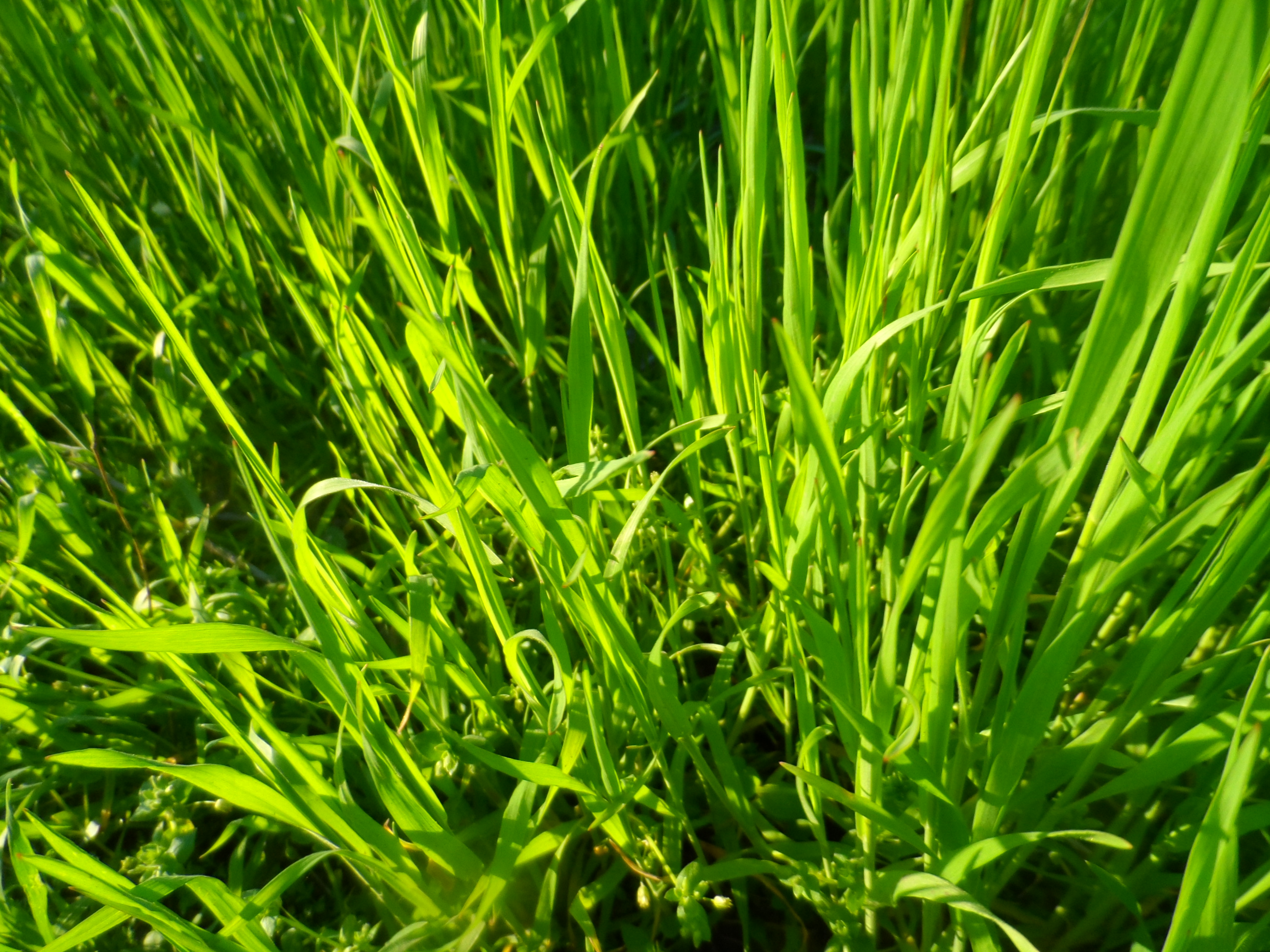
Seasonal Secrets for a Thriving Lawn: Adapting to Climate Changes Oct 22, 2025
Understanding the effects of climate change on your lawn is the first step in adapting your lawn care routine. As global temperatures rise, variations in seasonal weather patterns can stress your lawn significantly. Drought periods become more frequent, and heavy rainfall can wash away essential nutrients. Adapting your lawn care regimen is crucial to combat these effects effectively.
One of the key strategies is to focus on the type of grass best suited for your region's changing climate. Transitioning to drought-resistant grass varieties can help your lawn withstand prolonged dry spells without heavy reliance on irrigation systems. Buffalo grass and Bermuda grass, for example, are popular choices that thrive with minimal water and can handle hotter conditions.
Water management is another essential factor in adapting to climate changes. Rather than frequent, shallow watering, opt for deeper, less frequent irrigation. This practice encourages the development of deeper root systems, which leads to a more resilient lawn. Implementing a rainwater collection system can also conserve water while maintaining a well-hydrated landscape during dry periods.
Soil health is often overlooked but plays a critical role in a thriving lawn. With climate change, the soil's nutrient content and pH balance can be altered, affecting grass health. Utilizing organic fertilizers can replenish essential nutrients without the harsh chemicals that may interfere with soil microorganisms. Regular soil testing can help you make informed decisions about the types of fertilizers your lawn may need.
Embracing a year-round maintenance plan is vital for adapting to the ever-changing climate. In the spring, focus on dethatching and aeration to allow the soil to breathe after the winter months. Summer calls for vigilant monitoring of water levels to combat drought. As autumn arrives, prepare your lawn with a final fertilization, laying a strong foundation for the following spring. Winter is the ideal time to rest, but keep heavy foot traffic to a minimum to prevent compaction.
To further protect your lawn from climate stresses, consider adjusting your mowing practices. Mowing at the correct height can shade the soil, reducing evaporation and retaining moisture. Generally, keeping your grass around three inches tall during extreme heat can preserve moisture and fend off drought stress. Additionally, ensuring your mower's blades are sharp prevents tearing, which can cause brown tips and stress on the grass.
Lastly, incorporating native plants and grasses can greatly enhance lawn resilience. Native species are naturally adapted to local weather and soil conditions, requiring less maintenance and water. They can provide an eco-friendly alternative to traditional lawns, encouraging biodiversity and reducing reliance on synthetic solutions.
Adapting your lawn to climate changes doesn't have to be daunting. With the expert guidance of Phillips Lawn Services, you can tackle these challenges head-on. By selecting appropriate grass, optimizing your irrigation, enhancing soil health, and adjusting mowing practices, your lawn can remain vibrant and healthy no matter the climate changes. Embrace these seasonal secrets and enjoy a beautiful, sustainable landscape all year round.
/filters:no_upscale()/filters:format(webp)/media/c027e6b2-944c-4141-ab5e-aa1a21499f48.png)
/filters:no_upscale()/filters:format(webp)/media/1bdefce8-89ec-45fe-bc3a-4153abb490e9.png)