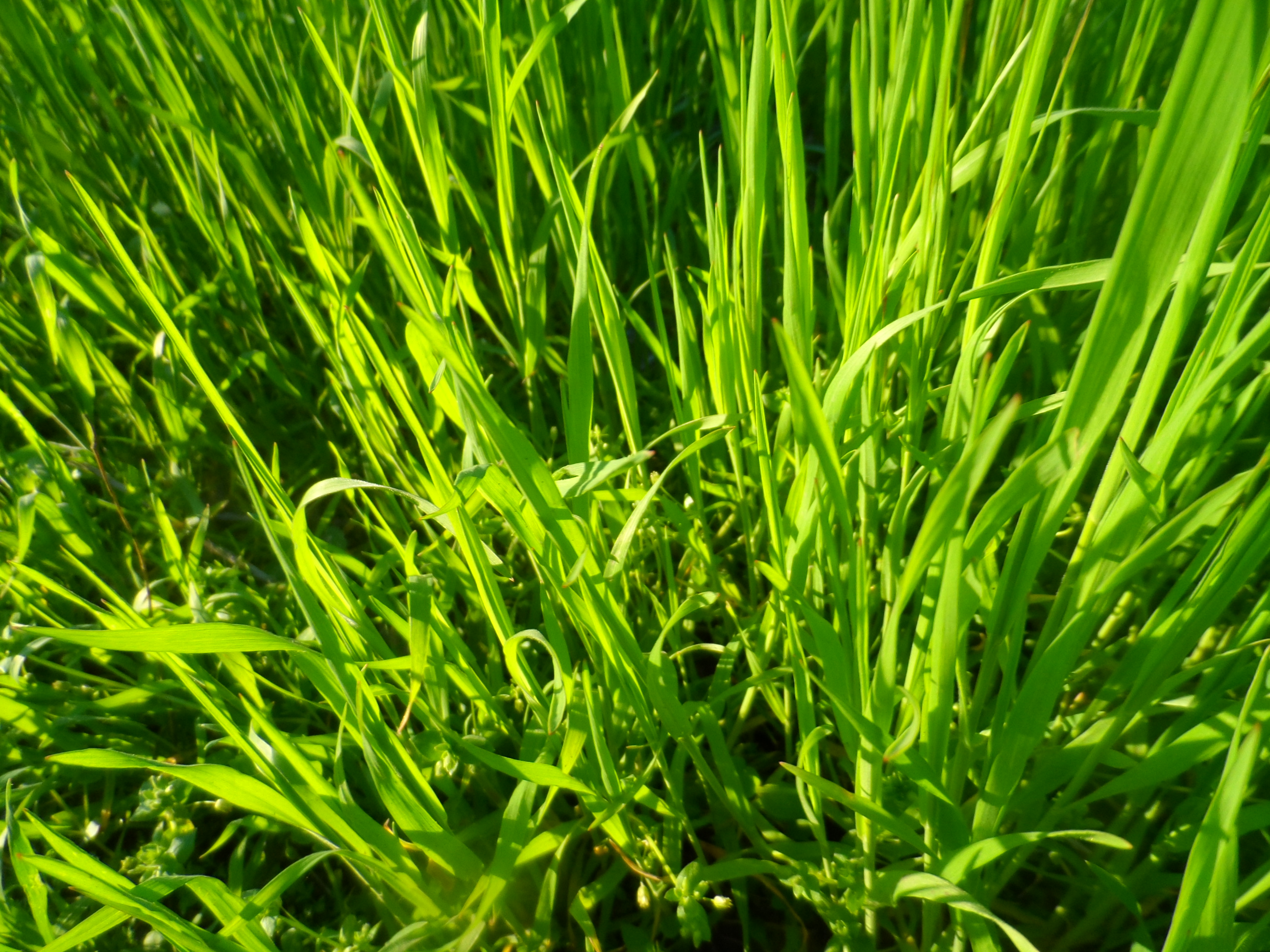
Comprehensive Lawn Disease Prevention: Keep Your Green Space Healthy Oct 15, 2025
Lawn diseases, primarily caused by fungal pathogens, thrive in environments that offer optimal conditions for their growth. Warm temperatures, high humidity, and excessive moisture can transform your lawn into a breeding ground for these unwelcome visitors. One of the most prevalent lawn diseases is Brown Patch, easily recognized by circular patches of brown grass. Another common adversary is Dollar Spot, which manifests as small bleached spots across your lawn. Powdery Mildew presents as a white, powdery substance on the grass blades, while Rust Diseases give lawns an orange-tinged hue.
To prevent these diseases from taking up residence in your well-manicured lawn, regular maintenance and strategic interventions are essential. The first line of defense against lawn diseases is maintaining a balanced watering schedule. Overwatering creates an ideal environment for fungi, but under-watering stresses the grass, making it susceptible to infections. Watering early in the morning allows the grass blades to dry by midday, reducing moisture levels that attract fungi.
Mowing is another crucial aspect of disease prevention. Cutting grass too short can weaken the root system, making it more susceptible to disease. Aim to keep your grass at the ideal height for its species and ensure that your mower blades are sharp. Dull blades tear the grass, creating wounds that serve as entry points for pathogens. Regular sharpenings of your mower blades can prevent this unnecessary trauma to your lawn.
Fertilization is vital in maintaining the health of your lawn by providing essential nutrients for robust grass growth. A balanced fertilization program tailored to your specific grass type will help strengthen your lawn against diseases. Avoid excessive nitrogen as it can promote disease susceptibility, particularly during peak growing seasons.
Aeration and proper drainage are also key components of lawn disease prevention. Compacted soil inhibits proper root growth and retains moisture, both of which contribute to disease proliferation. Aerating your lawn once or twice a year can alleviate compaction and enhance oxygen flow to the roots. Additionally, ensuring your lawn has adequate drainage prevents waterlogging, reducing the chances of disease development.
Lastly, adopting a vigilant approach to weed management is crucial, as weeds can host and spread diseases. Employing both chemical and manual methods to control weeds will help maintain your lawn's health and curb potential disease outbreaks.
Prevention is always more effective and less costly than treatment. An overseeded lawn can be the last line of defense against disease. Overseeding improves the density of your lawn, making it more resilient against disease attacks, as a thicker lawn leaves less room for pathogens to take hold.
At Phillips Lawn Services, we believe proactive care leads to a thriving lawn. By implementing these disease prevention strategies, you're investing in the long-term health and beauty of your green space. If you need assistance or further advice, do not hesitate to reach out to our team of lawn care experts. Together, we can ensure your lawn remains a vibrant reflection of your home, all year round.
/filters:no_upscale()/filters:format(webp)/media/c027e6b2-944c-4141-ab5e-aa1a21499f48.png)
/filters:no_upscale()/filters:format(webp)/media/1bdefce8-89ec-45fe-bc3a-4153abb490e9.png)